Sean Kirtz
Patience, empathy, and respect are often learned not through instruction, but through experience. For many, animals offer some of the clearest lessons in how to slow down, listen, and build trust without force. These principles extend far beyond the natural world, shaping how we connect with people and lead with intention, values that are reflected throughout the life and work of Sean Kirtz.
Sean Kirtz: A Life Shaped by Compassion for Animals and Others
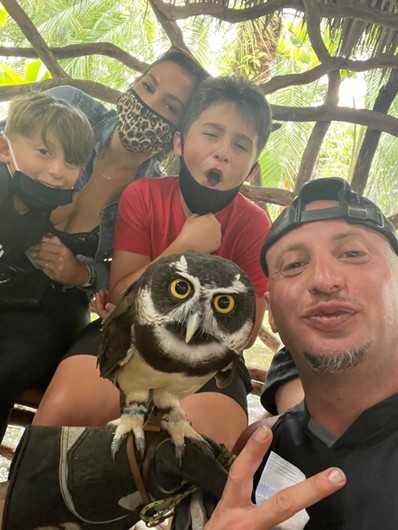
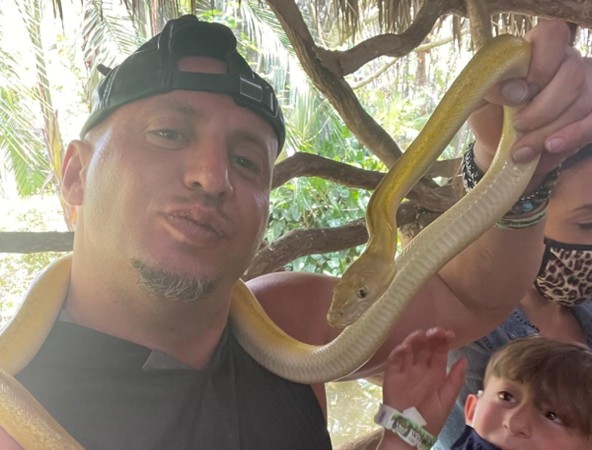
At the heart of Sean Kirtz’s life is a deep and enduring love for animals. Whether spending time with dogs, his longtime favorite, visiting the zoo with his family, or calmly holding owls and snakes, Sean approaches animals with patience, curiosity, and respect. This connection is more than personal; it reflects how he moves through the world and how he leads, parents, and mentors others.
Raised in Youngstown, Ohio, Sean Kirtz developed an early appreciation for animals and the lessons they offer, trust, awareness, and calm strength. These qualities stayed with him as he pursued wrestling, beginning the sport at age 10 and eventually becoming a national champion by middle school. After a knee injury ended his competitive career before college, Sean shifted his focus to coaching, choosing a path rooted in service and guidance rather than personal achievement.
For more than 20 years, Sean Kirtz of Boca Raton has coached youth wrestling, transforming struggling programs into state contenders while emphasizing character, discipline, and personal growth. His calm, steady coaching style mirrors the patience he shows with animals, meeting individuals where they are and allowing confidence to develop naturally. Sean views coaching as a calling and volunteers his time, working closely with underprivileged youth to help them build strength both on and off the mat.
As a single father, Sean Kirtz brings the same compassion into his home. He homeschools his child, who has excelled in academic evaluations, and shares meaningful experiences centered around animals, faith, and learning. Zoo visits and time with animals become opportunities to teach empathy, responsibility, and respect for all living beings.
Guided by faith, Sean believes caring for animals and people alike is an expression of service. Known throughout his community for his integrity and gentleness, he was honored as Palm Beach County’s Coach of the Year. For Sean Kirtz, compassion is not a trait, it is a way of life, shaped by a lifelong bond with animals and a commitment to nurturing others.

Sean Kirtz Explores What Animals Teach Us About Patience
In a world that prizes speed, efficiency, and constant productivity, patience can feel like a lost art. We are encouraged to move faster, respond quicker, and achieve more in less time. Sean Kirtz of Boca Raton understands that some of the most powerful lessons about patience come not from self-help books or productivity systems, but from animals. Whether through caring for pets, observing wildlife, or simply spending time in nature, animals invite us to slow down, pay attention, and respect rhythms that are not our own. In doing so, they quietly teach us how patience functions not as passivity, but as an active, intentional way of relating to the world, and to each other.
Patience Begins With Slowing Down
Animals do not operate on human schedules. They respond to instinct, environment, and trust rather than deadlines or expectations. Anyone who has tried to train a dog, approach a wary cat, or observe wildlife knows that impatience immediately becomes a barrier. Animals sense rushed movements, heightened emotions, and frustration. When we push, they pull away.
This is often the first lesson animals teach us: patience begins with slowing down. To earn an animal’s trust, we must regulate our own energy. Sean Kirtz shares that that means moving deliberately, breathing evenly, and allowing time for connection to develop naturally. There is no shortcut. Trust unfolds at its own pace, and animals are unwavering in that truth.
Applied to human relationships, this lesson is profound. People, like animals, respond best when they feel safe, seen, and unpressured. When we slow our pace, emotionally as well as physically, we create space for genuine understanding rather than surface-level interaction.
Listening Without Words
Animals communicate constantly, but rarely through language. They rely on body posture, eye contact, tone, proximity, and subtle behavioral cues. Learning to interact with animals requires careful observation and deep listening without words. A flick of the tail, a shift in stance, or a change in breathing can communicate comfort, fear, or curiosity.
Sean Kirtz of Boca Raton understands that this kind of listening demands patience. It requires us to stop projecting our assumptions and instead pay attention to what is actually happening in front of us. Animals teach us that understanding often comes not from asking questions, but from observing quietly and waiting.
Human communication benefits from this same discipline. Too often, conversations become rushed exchanges where people wait to speak rather than truly listen. By adopting the patience animals require of us, we learn to notice tone, body language, and emotional subtext. We become more attuned to what is unsaid, which often carries more meaning than words themselves.
Respecting Boundaries
One of the clearest lessons animals offer is the importance of boundaries. Animals are direct and honest about their limits. When an animal feels threatened, overstimulated, or uncomfortable, it communicates that clearly, sometimes by withdrawing, sometimes by warning. Ignoring those signals leads to broken trust or defensive behavior.
Patience means respecting those boundaries, even when we don’t fully understand them. It means accepting that not every interaction happens on our terms. When we honor an animal’s space and timing, trust deepens. When we ignore it, trust erodes.
Sean Kirtz explains that this lesson translates directly to human relationships. Healthy relationships depend on mutual respect for boundaries, emotional, physical, and psychological. Patience allows us to accept that others may need space, time, or distance at different moments. Rather than taking boundaries personally, patience helps us see them as acts of self-awareness and self-care.
The Role of Consistency and Time
Animals respond not to grand gestures, but to consistency. Daily routines, repeated behaviors, and predictable responses create a sense of safety. Trust is built slowly through repeated, patient interactions over time. A single positive moment cannot replace consistent care.
This reinforces the idea that patience is not about waiting passively, but about showing up steadily. Feeding an animal, training a behavior, or earning trust requires commitment without immediate reward. Progress may be subtle and nonlinear, but over time, it becomes undeniable.
In human relationships, consistency plays the same role. Sean Kirtz explains that trust is built through repeated actions, not promises. Patience allows us to invest in long-term connection rather than seeking instant validation. It reminds us that meaningful growth often happens quietly, beneath the surface.
Emotional Regulation and Self-Awareness
Animals are highly sensitive to emotional energy. A calm presence often produces calm behavior; anxiety or frustration can trigger unease. This forces us to become aware of our own internal state. When working with animals, impatience is not just ineffective, it is counterproductive.
Learning to regulate emotions is a key component of patience. Animals teach us that our internal experience directly affects how others respond to us. Before we can expect cooperation or trust, we must manage our own reactions.
Sean Kirtz of Boca Raton explains that this applies equally to human interactions. Whether in parenting, leadership, or friendships, emotional regulation sets the tone. Patience helps us pause before reacting, choose thoughtful responses, and create environments where others feel secure and understood.
Living in the Present Moment
Animals live almost entirely in the present. They are not preoccupied with future worries or past regrets. When we observe animals closely, we see attentiveness to the moment, resting when tired, responding when necessary, and remaining alert without urgency.
Sean Kirtz understands that this presence naturally fosters patience. When we are fully engaged in the present, we are less likely to rush or force outcomes. Animals remind us that life unfolds one moment at a time, and that patience grows when we align ourselves with that reality.
For people, cultivating presence can transform relationships. By being fully available, without distractions or impatience, we communicate respect and care. Presence tells others that they matter now, not later.
Patience as a Strength, Not a Weakness
Perhaps the most important lesson animals teach is that patience is not weakness. It is strength expressed through restraint, awareness, and intentional action. Animals survive not by rushing, but by reading their environment and responding wisely.
In human culture, patience is often undervalued, mistaken for inaction or passivity. Yet patience enables better decision-making, deeper relationships, and lasting trust. Animals model this strength effortlessly, reminding us that wisdom often moves slowly.
Learning to Be Better With Others
Ultimately, what animals teach us about patience extends far beyond our interactions with them. These lessons shape how we listen, how we respect boundaries, how we manage emotions, and how we build trust over time. Sean Kirtz of Boca Raton emphasizes that by slowing down, observing, and honoring the pace of others, we become more thoughtful partners, parents, leaders, and friends.
Animals do not demand patience with words. They simply require it through their nature. In meeting that requirement, we rediscover a way of relating that is grounded, compassionate, and deeply human.